VR Gaming Unveils ADHD Brain Activity
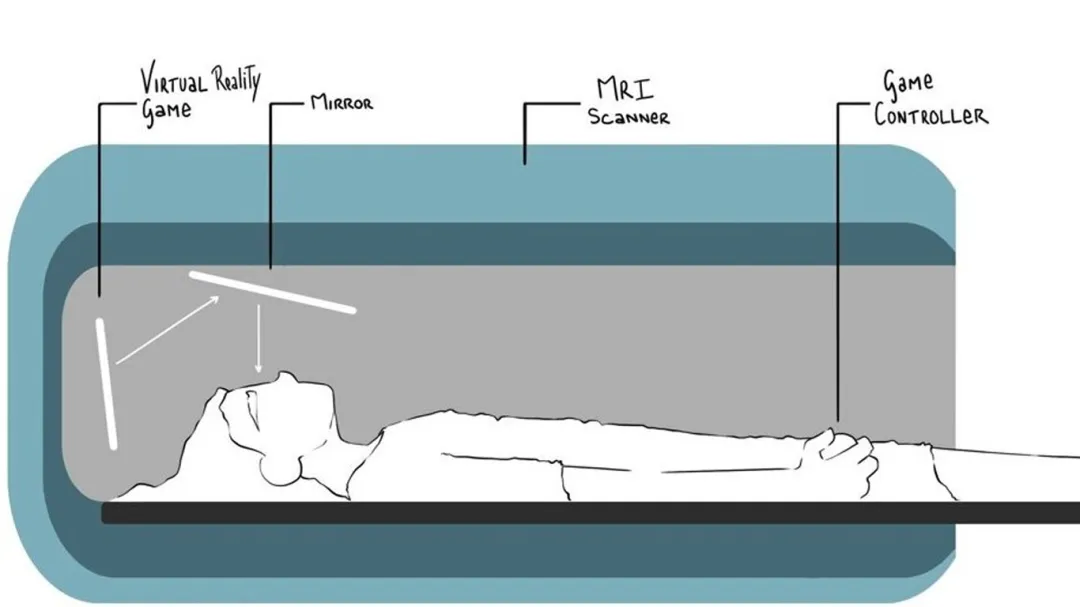
In a pioneering effort, scientists from leading European universities have employed virtual reality gaming environments to analyze brain network activity in children diagnosed with Attention Deficit Hyperactivity Disorder (ADHD). This novel approach seeks to unravel the complex neural dynamics associated with the disorder.
The study’s findings highlight the potential of using immersive technology to observe unique patterns in brain activity that were previously inaccessible through conventional methods. Researchers emphasize the significance of understanding these patterns not only for diagnostic purposes but also for crafting targeted therapeutic interventions.
Dr. Elena Roberts, a neuropsychologist involved in the study, stated, ‘Our work represents a significant step towards tailoring individualized treatment plans. Virtual reality provides an unparalleled platform to simulate real-world stimuli, capturing the intricate workings of the ADHD brain.’
As interest in integrating technology with healthcare grows, this research underscores the value of cross-disciplinary collaboration. Such integration could redefine ADHD treatment strategies, emphasizing real-time feedback and interactive learning opportunities for affected children.