Elder Gamers Rewrite Age Stereotypes
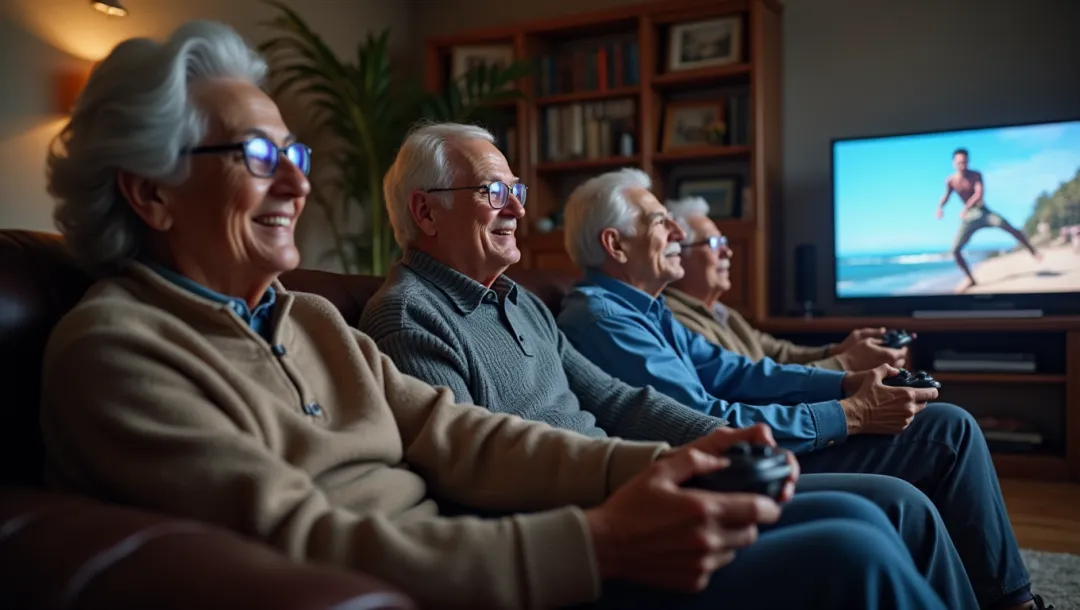
In the United States, a notable shift is occurring within the gaming community. Seniors, defined as adults in their 60s, 70s, and 80s, now represent nearly 28 percent of approximately 205 million gamers nationwide. This demographic surge is becoming increasingly visible in mainstream gaming culture, reflecting changing social attitudes and technological adoption among older adults.
Experts attribute this trend to various factors including the accessibility of contemporary gaming platforms, the social connectivity games offer, and the cognitive benefits that maintain mental acuity among older players. Dr. Emily Carter, a media studies scholar at a leading university, notes, ‘This expansion reflects not just a hobby but a meaningful form of social engagement and cognitive stimulation for seniors.’
The cultural implications are significant; stereotypes of gaming as a youthful pursuit are being dismantled. Game developers and marketers are responding by tailoring content and platforms to better suit older audiences, thereby fostering inclusivity and expanding their user base. Such shifts have sparked discussions about intergenerational dialogue and how gaming bridges age divides.
Locally, communities in cities like Chicago and San Francisco have seen the rise of senior gaming clubs and tournaments, further underlining the societal impact of this trend. These initiatives not only promote entertainment but also emphasize physical, mental, and emotional health benefits linked to active participation in gaming.
As the gaming industry evolves, the prominence of seniors challenges preconceived notions and enriches the landscape, signaling that video games are becoming a universal medium transcending age barriers. This emerging cohort underscores the potential of interactive media as a conduit for connection and lifelong learning.