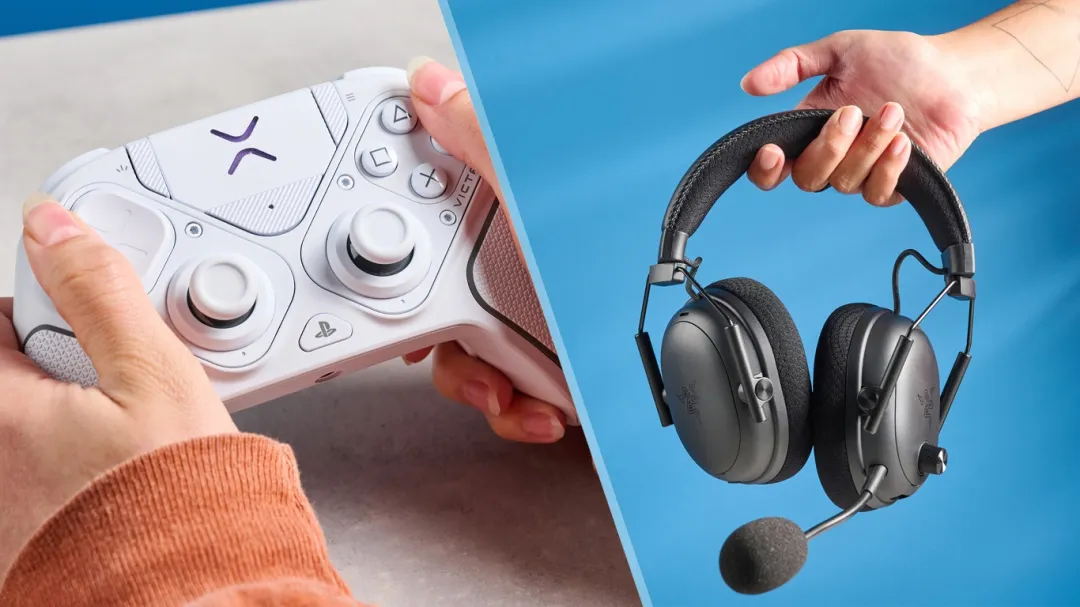
Grandma Joins The Gaming Revolution

In the United States, a notable transformation is underway within the gaming community, as more than one quarter of all gamers, out of a total estimated 205 million, are aged 50 or older. This demographic shift disrupts conventional perceptions of gaming as a pastime dominated by younger generations.
According to recent data collected from industry reports and gaming platforms, older adults are increasingly engaging with video games, often citing benefits such as cognitive stimulation, stress relief, and social interaction. Experts suggest that this trend reflects broader societal changes, including increased digital literacy among seniors and the advent of games designed with diverse age groups in mind.
Media analyst Dr. Catherine Riley of the Digital Culture Institute remarked, ‘The rise of senior gamers challenges outdated stereotypes. This demographic is reshaping the market and creating new opportunities for developers to innovate.’ She emphasized the importance of recognizing older gamers as a vital segment of the gaming ecosystem.
This evolving landscape also underscores the potential for video games to serve as tools for social inclusion and mental wellness among seniors, particularly as communities seek engaging activities that bridge generational gaps. Game companies are increasingly tailoring their designs to appeal to these users, fostering a more inclusive digital environment.
As the gaming industry continues to diversify, the surge of senior participation is a compelling narrative illustrating not only changing leisure habits but also the adaptability of technology to meet the needs of all age groups.