5 Reasons a Mini Gaming PC Beats Consoles
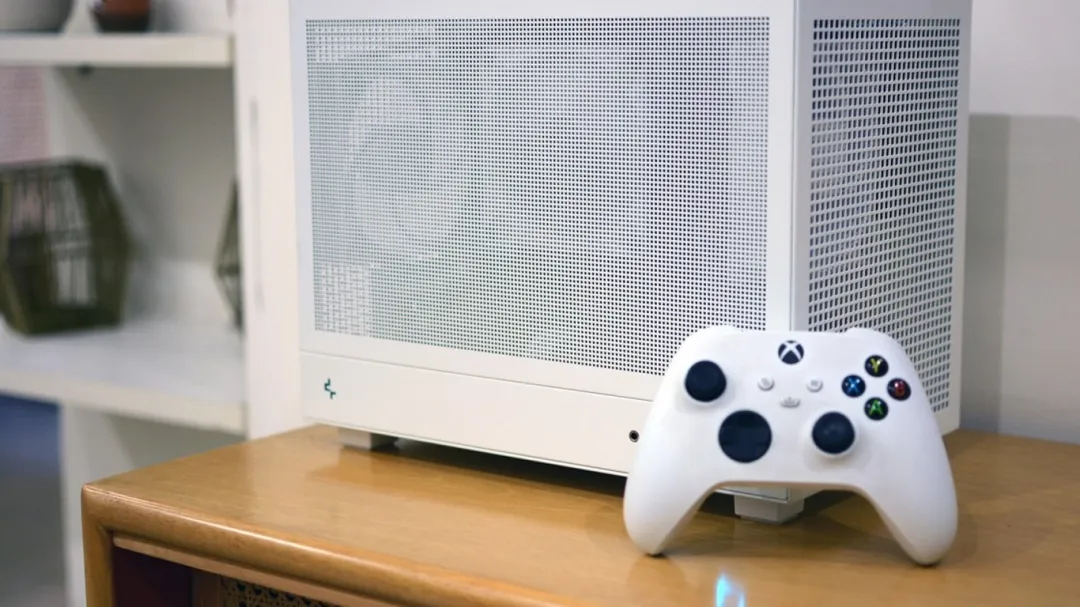
In San Francisco, technology researcher and gaming enthusiast James Carter embarked on a project to build a mini gaming PC, aiming to challenge the widespread reliance on traditional gaming consoles. This initiative arose from his growing skepticism about whether owning a console is indispensable for a satisfying gaming experience.
Carter’s mini PC, compact yet powerful, demonstrated notable advantages including enhanced customization, superior performance metrics, and often a more cost-effective solution compared to consoles. He emphasized that the flexibility of upgrading components and accessing a broader range of games are significant benefits that consoles typically lack.
Industry experts have weighed in on this trend, noting that while consoles offer convenience and exclusive titles, the evolving capabilities of compact PCs are reshaping consumer expectations. Dr. Emily Rhodes, a media technology analyst, remarked, ‘The rise of mini gaming PCs reflects a shift towards personalized gaming setups that prioritize performance and versatility over standardization.’
This development aligns with current trends in digital entertainment, where consumers increasingly seek tailored experiences. Carter’s project not only questions the necessity of consoles but also invites gamers to reconsider their hardware choices amid rapid technological advancements.
As gaming technology continues to evolve, the debate between consoles and PCs remains vibrant. Carter’s mini PC serves as a compelling example that challenges traditional norms and underscores the potential for innovation within the gaming community.